Bipartisan Bill Would Let Pharmacies Dispense Methadone for Addiction as Clinics Push Back
Supporters say the change would reach patients in counties with no treatment clinic. Clinic operators and several law enforcement groups say it would weaken safeguards on a risky drug. The bill has not moved past committee referral.
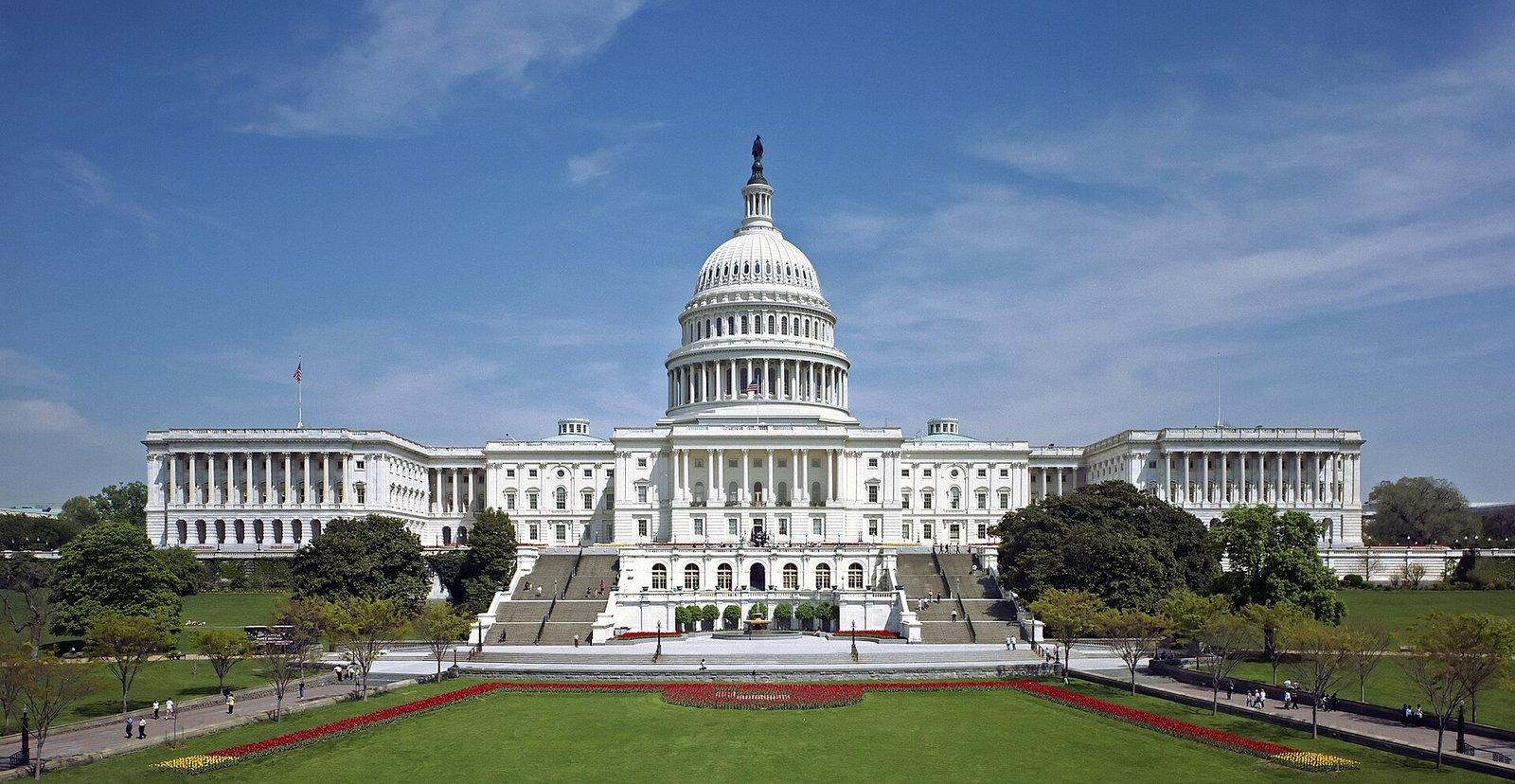
WASHINGTON. About 80 percent of U.S. counties have no opioid treatment program, the federally certified clinics where federal rules largely confine methadone treatment for addiction, according to the American Society of Addiction Medicine. A bipartisan bill pending in both chambers would create a second route: prescriptions from addiction specialists, filled at ordinary pharmacies.
The Modernizing Opioid Treatment Access Act 2.0, H.R. 9790 in the House and S. 4941 in the Senate, has drawn a fresh push from supporters in the lame-duck session before a new Congress takes office in January. Treatment-program trade groups oppose it, arguing that the current clinic model is what keeps a dangerous drug safe. Congressional records show no action on either bill since it was referred to committee.
What the bill would do
Methadone is an opioid medicine that treats opioid addiction by suppressing withdrawal and cravings. Doctors may already prescribe it for pain and have pharmacies fill it, but for addiction it is generally dispensed only through opioid treatment programs, often called methadone clinics, where many patients must appear in person for doses.
The House bill, introduced July 20 by Rep. Donald Norcross, Democrat of New Jersey, with Rep. Michael Lawler, Republican of New York, and Rep. Paul Tonko, Democrat of New York, would amend the Controlled Substances Act. Its text says "The requirements of paragraph (1) applicable to methadone medication for opioid use disorder are waived," and directs the attorney general, in consultation with the health secretary, to "separately register" certain practitioners "to prescribe methadone for opioid use disorder to be dispensed through a pharmacy to individuals for their own supervised or unsupervised use."
Eligible prescribers would be board-certified addiction medicine physicians or addiction psychiatrists, or others the health and human services secretary finds qualified under standards the secretary sets. Prescriptions would have to be "exclusively by electronic prescribing" and "for a liquid or dispersible tablet formulation," and would remain subject to federal and state limits on quantities. Patients would have to give "specific informed consent" about the differences in confidentiality protections between clinic and pharmacy dispensing.
States would keep a veto. "At the request of a State, the Attorney General shall" stop registering prescribers there and revoke existing registrations, the bill says. The D.E.A. would report each year on registrations, state opt-outs and disciplinary actions. The law would take effect 180 days after enactment.
The Senate version, introduced June 24 by Sen. Edward J. Markey, Democrat of Massachusetts, lists eight cosponsors, including Sen. Rand Paul, Republican of Kentucky, and Sen. Bernie Sanders, independent of Vermont, according to Congress.gov. The House bill has five cosponsors.
The case for it
Supporters say the clinic system is too thin. The addiction medicine society says there are "only about 2,100 OTPs nationwide" and that people are "29% more likely to miss a dose" if they live more than 10 miles from one than if they live within five miles. It also argues that clinic-dispensed methadone is "generally not reported to state prescription drug monitoring programs," the state databases that track controlled-substance prescriptions, while pharmacy prescriptions would be. The group says more than 150 organizations, including the American Medical Association and the American Pharmacists Association, endorse the bill.
Jeffrey A. Singer, a senior fellow at the Reason Foundation, a libertarian research group, argued in a Nov. 9 column that federal law "generally confines methadone treatment for opioid use disorder to government-certified opioid treatment programs." He noted that some clinic groups opposing the bill represent facilities that would face new competition.
The case against it
The American Association for the Treatment of Opioid Dependence, Advocates for Opioid Addiction Treatment and the National Association for Behavioral Healthcare told Congress in an Aug. 4 letter that the bill "will significantly undermine important patient and public safety protections without meaningfully improving access to care."
The groups cited the federal Centers for Disease Control and Prevention's warning that "The difference between appropriate prescribed doses and dangerous doses of methadone is small," and said physician prescribing of methadone in the 2000s, largely for pain, contributed to rising overdose deaths. They raised concern about "pill mills" and said the bill would let the health secretary extend prescribing to clinicians without addiction training. They also said 87 percent of Americans already live within 40 minutes or 30 miles of a clinic. The letter also quotes national law enforcement organizations that it says have expressed strong concerns about the bill.
Why libertarians care
Libertarians generally argue that doctors and patients, not federal registration rules, should decide how a legal medicine is delivered, and they watch for rules that protect established providers from competition. Critics answer that methadone's overdose risk justifies tighter control than most drugs. This bill sits between those positions: it loosens one federal limit while keeping D.E.A. registration, form and quantity limits, and a state opt-out.
Sources
- H.R. 9790, Modernizing Opioid Treatment Access Act 2.0 of 2026, introduced July 20, 2026
- Congress.gov, H.R. 9790 bill page (sponsor, cosponsors, actions)
- Congress.gov, S. 4941 bill page (sponsor, cosponsors, actions)
- American Society of Addiction Medicine, 'The Modernizing Opioid Treatment Access Act 2.0'
- AATOD, AOAT and NABH letter to Congress opposing H.R. 9790, Aug. 4, 2026
- Jeffrey A. Singer, Reason Foundation, 'This Congress has one last chance to unlock methadone treatment,' Nov. 9, 2026
This article was written by AI from a libertarian perspective and checked against the primary sources linked above. Our standards