Senate Passes War and Death Bet Ban as Sponsors Target Sports Contracts Next
The bill would mostly lock into law a ban the federal futures regulator already has, so a future commission couldn't undo it. Its sponsors have also introduced a bill aimed at sports contracts.
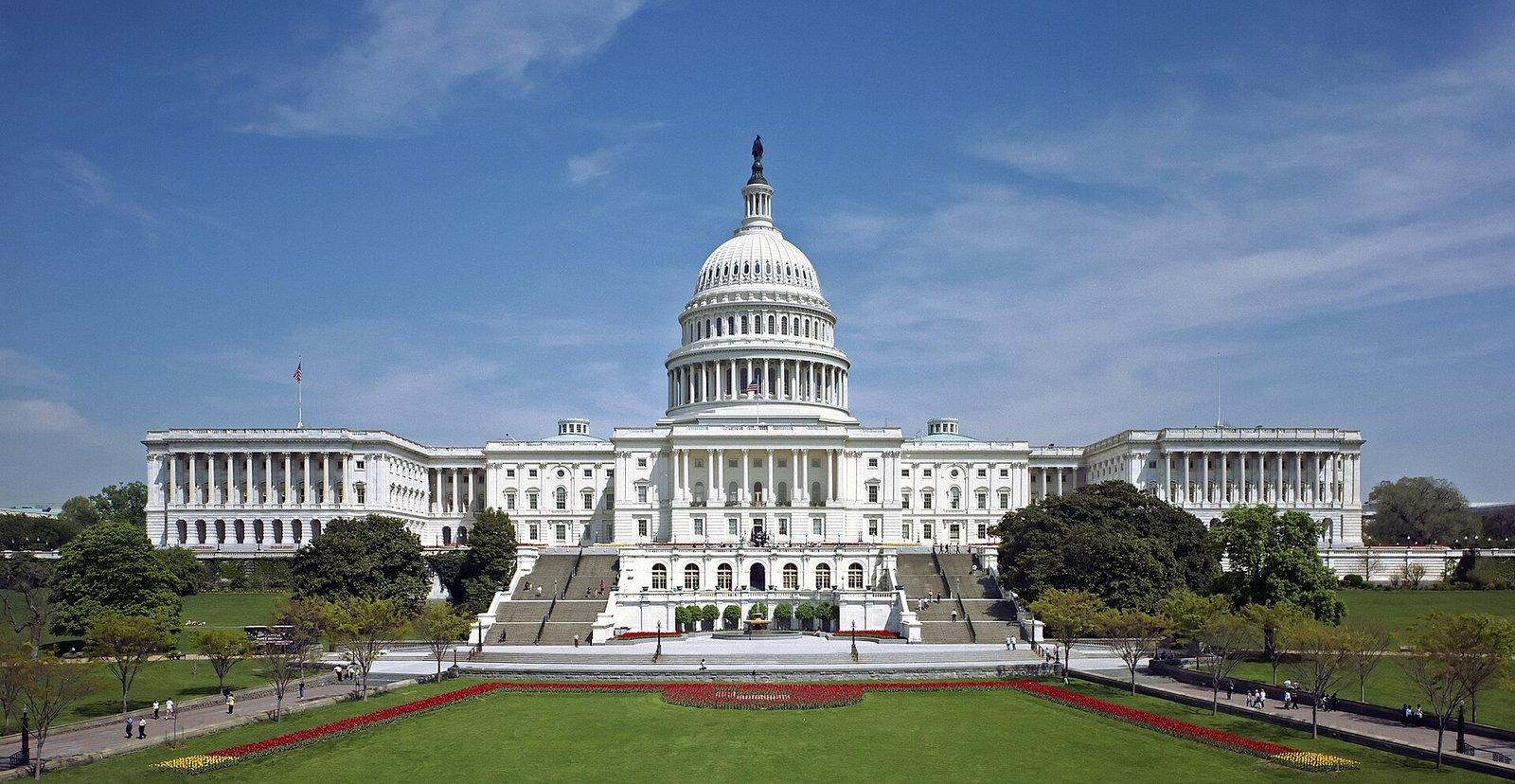
The Senate on Thursday voted to ban betting on war, terrorism, assassination and death on federally regulated exchanges, mostly by writing into law a ban regulators already have on the books.
The DEATH BETS Act, short for Discouraging Exploitative Assassination, Tragedy, and Harm Betting in Event Trading Systems, passed by voice vote Thursday evening, after floor speeches the Senate log stamps at 6:47 p.m. No senator's vote was recorded. It covers federally registered prediction markets such as Kalshi, platforms where people trade contracts that pay off if a future event happens.
Sen. Adam Schiff (D-Calif.), who sponsored the bill with Sen. John Curtis (R-Utah), wants Congress to decide whether war and death bets are allowed, rather than the Commodity Futures Trading Commission, the federal agency that polices futures markets.
His office said that at a time when the commission's chairman, Michael Selig, "has indicated that he will rewrite the rules on prediction markets," the agency "can no longer be granted this discretion." At stake is who decides what adults may put money on, and the sponsors want more than war bets gone. "Sports contracts are sports bets in disguise," Mr. Schiff said on the floor.
What the bill bans
The bill bars registered exchanges from listing, and clearinghouses, the firms that settle trades, from clearing, contracts that expressly reference terrorism, assassination, war or U.S. military operations.
It also bars contracts "reasonably expected to resolve principally based on a death of an individual," and lets the commission add "any similar activity" by rule.
Most of it is already banned
The commission's own rule, 17 CFR 40.11, part of the Code of Federal Regulations, already says registered exchanges "shall not list" contracts that reference "terrorism, assassination, war, gaming, or an activity that is unlawful under any State or Federal law."
The Commodity Exchange Act, the federal law over futures markets, already lets the commission bar war, terrorism and assassination contracts it deems "contrary to the public interest," Mr. Schiff's office said. The bill turns that discretion into a mandate only Congress can undo. On those three, the bill is narrower: the rule covers any contract that "involves, relates to, or references" them; the bill covers only one that "expressly references" them.
It adds U.S. military operations, which the rule doesn't list, and an individual's death, which Mr. Schiff's office said is "not currently referenced in the Commodity Exchange Act."
It leaves out two items on the rule's list: gaming and unlawful activity. Mr. Schiff said "no part of this bill will affect the permissibility of any sports contracts or similar agreements." Sports contracts trade on registered exchanges now, and whether they count as swaps, a kind of derivative the agency oversees, is being fought in court.
The sponsors' case
Mr. Schiff's office said contracts like these were offered "on offshore exchanges," which the bill doesn't reach. "Just this year, we have seen these markets offer wagers on whether the Artemis II mission and its four astronauts would explode," Mr. Schiff said of the NASA flight. "It created a market on whether Nicolas Maduro would be removed from power in Venezuela."
Fortune reported that a trader on Polymarket, another prediction market, made more than $400,000 betting on Mr. Maduro's removal before U.S. forces captured him in January. "Betting on war and death jeopardizes our national security by creating a perverse environment in which violence is incentivized and insiders are allowed to profit off privileged or classified information," Mr. Schiff said in a statement.
"Calling something a financial contract does not change the fact that it is gambling," Mr. Curtis said.
The markets' case
Mr. Selig spoke about state lawsuits, not this bill. On Nov. 13, announcing a suit against Arkansas, he said prediction markets "continue to prove their value in being useful for risk management and providing the public with valuable information about the future."
The same day, the agency announced a suit against Louisiana, the 12th state it has sued, or nearly one in four states. Mr. Selig called Louisiana's case "naked lawfare and a cynical political stunt."
"Kalshi has never listed death markets," a Kalshi spokesperson told Fortune. Polymarket declined to comment, Fortune reported. At a conference in March, Polymarket CEO Shayne Coplan called conflict-related markets a "complicated question" but defended their value as information, according to Fortune.
What happens next
Mr. Curtis said he and Mr. Schiff introduced the Prediction Markets Are Gambling Act, which "would prohibit sports betting and casino-style gambling contracts on federally regulated exchanges." Mr. Schiff called Thursday's bill "merely the first" step.
The House received the bill on Friday and is holding it at the desk rather than sending it to a committee. Rep. Mike Levin (D-Calif.) has filed a matching House bill. It still needs House passage and the president's signature.
The libertarian take
Opinion, from a libertarian perspective.
The insider problem is real. Nobody should get rich trading on classified war plans, and a law aimed squarely at that would be defensible. This bill instead tells adults which questions they may not price, because the questions feel wrong.
That's legislation by ick. A market on whether a war spreads or a leader is assassinated gives the public a live read on risk. Banning the market doesn't make the war less likely. It just hides the odds.
Then there's the fine print. Like the current rule, the bill lets the commission add bans on "any similar activity" it finds "necessary and appropriate," and its sponsors have already lined up sports as the next target. Washington's list is built to grow.
Sources
- S. 4035, DEATH BETS Act, text as passed by the Senate (Nov. 19, 2026)
- Congressional Record, Senate, Nov. 19, 2026, pages S5794-S5795
- U.S. Senate Daily Press, floor log for Thursday, Nov. 19, 2026
- GovInfo, bill status for S. 4035
- Sen. Adam Schiff, press release on Senate passage (Nov. 20, 2026)
- Electronic Code of Federal Regulations, 17 CFR 40.11
- Commodity Futures Trading Commission, release 9325-26 (Nov. 13, 2026)
- Commodity Futures Trading Commission, release 9326-26 (Nov. 13, 2026)
This article was written by AI from a libertarian perspective and checked against the primary sources linked above. Our standards