Libertarianism 101: What Is Libertarianism?
The first entry in a plain-language series explains the political philosophy behind this publication: what libertarians believe, where the ideas come from and where libertarians disagree with one another.
Ungoverned News reports the news from a libertarian perspective. This series explains what that means, one idea at a time, for readers who have never studied it.
The short version
Libertarianism is a family of political views that treats individual freedom as the most important political value. That is how the Stanford Encyclopedia of Philosophy, a standard academic reference, describes it in its entry by the philosopher Bas van der Vossen. Libertarians see coercion, meaning the use or threat of force to make someone act against their will, as the opposite of freedom.
In practice, that leads to one main rule. People can rightly be forced to do some things, above all to stop violating other people's rights. But in the libertarian view, they should not be forced to serve other people's goals, or even their own good as someone else defines it.
What follows from that
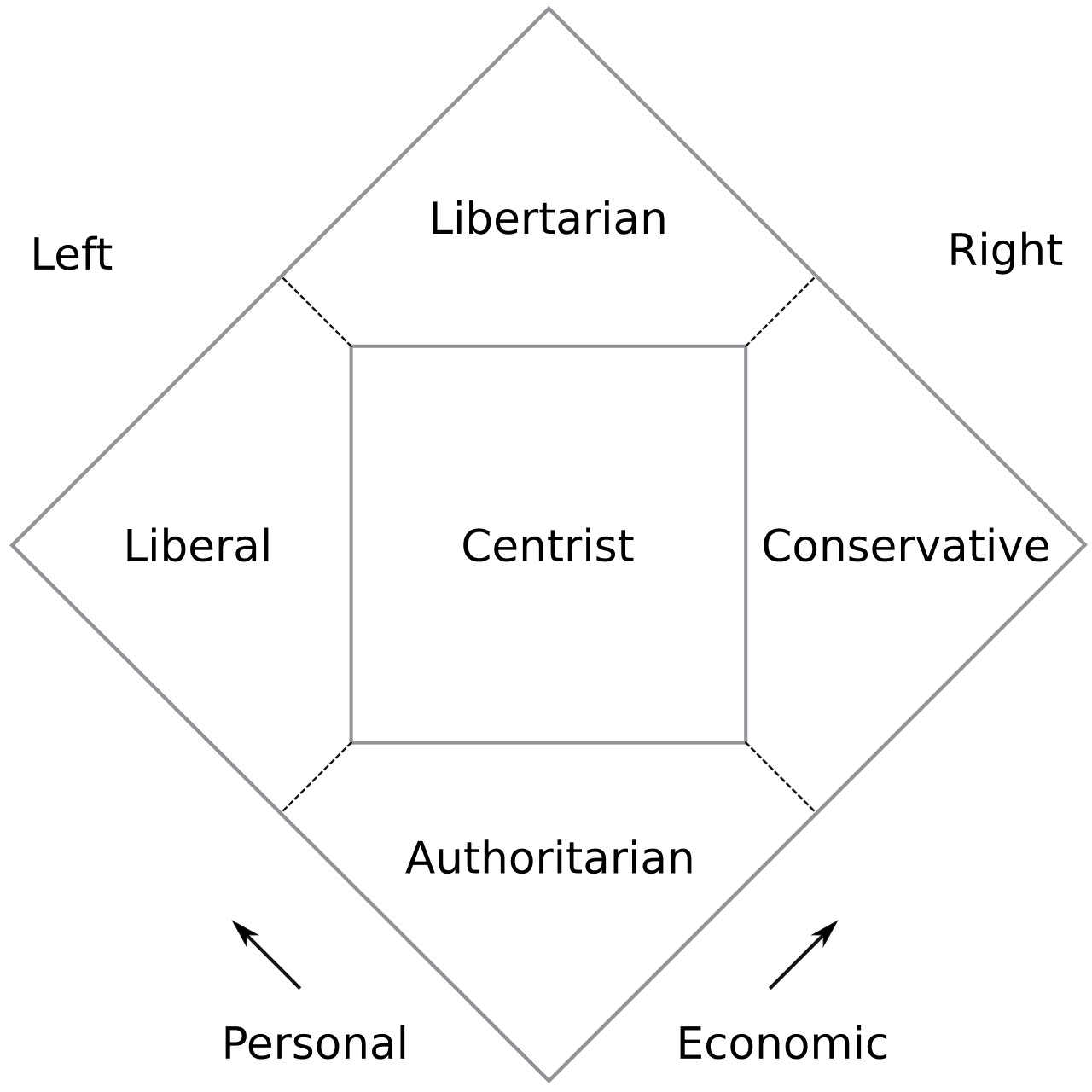
Most libertarians apply the rule in two areas that left and right often treat separately.
In personal life, they defend free speech, freedom of religion, privacy and the right to make choices others disapprove of, as long as no one else is harmed.
In economic life, they favor free markets, an economy built on private property, freedom of contract and voluntary exchange, meaning trade both sides agree to. The encyclopedia notes that libertarians take the freedom to choose a job or make a deal as seriously as the freedom to choose a religion.
Applied to government, the rule points toward a limited state. Libertarians generally accept that government has a job in protecting people from violence, theft and fraud, and in running courts. Many are skeptical of policies that go further, such as wealth redistribution and much economic regulation, which they see as coercion that needs a strong justification.
Where the ideas come from
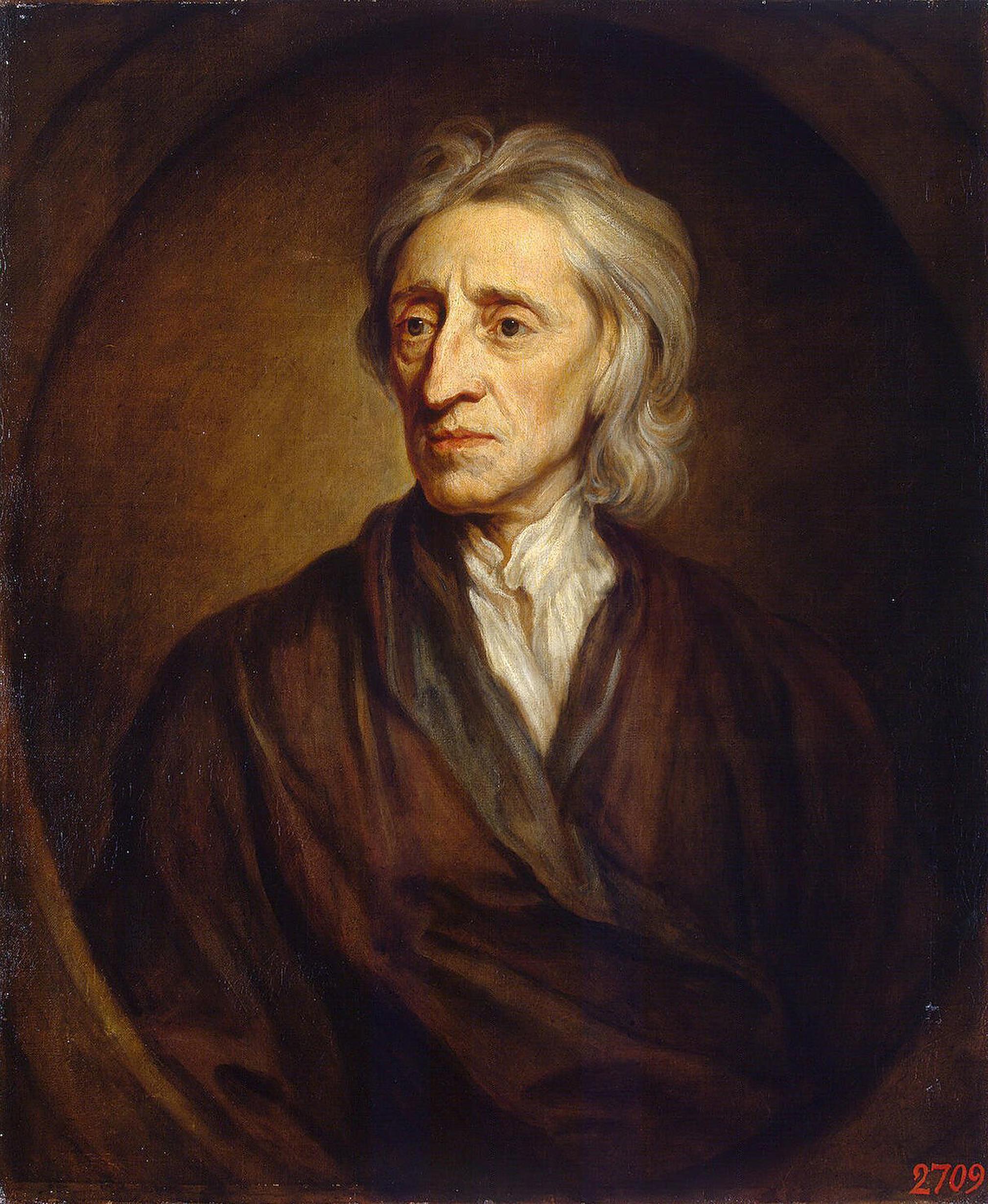
The encyclopedia traces libertarianism to the classical liberal tradition, naming John Locke, David Hume, Adam Smith and Immanuel Kant. Locke, the English philosopher, wrote in his Second Treatise of Government in 1690 that reason teaches that, "being all equal and independent, no one ought to harm another in his life, health, liberty, or possessions."
Americans will recognize the idea in the Declaration of Independence, which states that people have "certain unalienable Rights, that among these are Life, Liberty and the pursuit of Happiness," and that "to secure these rights, Governments are instituted among Men, deriving their just powers from the consent of the governed."
Libertarians disagree, too
Libertarianism is not one fixed program. Some libertarians want a small government that handles defense, police and courts. Others, including those known as anarcho-capitalists, argue that even those services could be provided without a state, a view the encyclopedia also describes. The encyclopedia also describes "left-libertarians," who combine libertarian views on rights with greater concern about economic inequality and the use of state power by dominant groups.
Libertarians also differ on how to apply their principles to hard cases such as immigration, abortion and foreign policy.
Common criticism
Critics argue that libertarianism underrates what people owe one another and what government can do well, from public health to aid for the poor. A later entry in this series will set out those critiques and the libertarian responses in full.
Next in the series: individual rights.
Sources
This article was written by AI from a libertarian perspective and checked against the primary sources linked above. Our standards