Libertarianism 101: The Rule of Law Binds the Rulers Who Write It
Two courts in two days told Washington's rule-makers that the rules bind them too. Locke and Paine explained why centuries ago: a law that exempts the powerful isn't law at all.
A federal judge on Thursday ordered Agriculture Secretary Brooke Rollins to obey her own department's rules on religion at work, after she sent Christmas and Easter messages to all employees from her official email.
Her department employs about 100,000 civil servants. "Why should the Secretary be exempt from her own rules?" Judge Trina L. Thompson wrote. "The buck stops with Secretary Rollins."
On Friday, the full Fifth Circuit appeals court, 17 judges sitting together, ruled 9-8 that the House lacked the quorum, or minimum attendance, the Constitution requires when it passed a $1.7 trillion bill in 2022.
That is the rule of law: the same known, written rules bind everyone, including those who make and enforce them. At stake is whether rule-makers can exempt themselves.
The secretary and her own memo
A union and six employees sued. One, Lanette Dietrich, alleges she was told it was "not possible" to get off the distribution list.
Applying her department's own memo, the court ordered that she "[c]annot use official authority to pressure subordinates" and "[m]ust stop if a colleague asks [her] to stop."
The department argued, as the court described it, that the emails weren't coercive because she merely shared personal views about why people celebrate certain holidays and compelled no one to conform. "In fact, her position of authority warrants greater concern as she sits atop the agency hierarchy," Judge Thompson wrote.
Judge Thompson granted a preliminary injunction, a temporary order while the case goes on, under the Establishment Clause, the First Amendment's ban on government pushing a religion.
The memo lets her "[d]iscuss [her] religious beliefs with interested colleagues," and the court "expresses no view whatsoever on what the Secretary can and cannot do in her personal capacity." Libertarians defend her beliefs; the objection is the official inbox aimed at a captive workforce.
Congress and its own Constitution
A quorum is a majority of the House: 218 when all 435 seats are filled.
In May 2020, during COVID, the House let members vote by proxy, through a colleague who recorded their presence and vote.
In December 2022, 226 members, a majority of the House, recorded their presence and votes by proxy on a $1.7 trillion funding bill. Fewer than half the members were physically present, the majority found.
Texas challenged two pieces, including the Pregnant Workers Fairness Act, and won an order barring the federal government from enforcing that law against Texas. The other piece was a $20 million line, a rounding error in a $1.7 trillion bill. "Presence-by-proxy does not suffice," Judge Cory T. Wilson wrote for the majority.
Dissenting, Judge James E. Graves Jr. wrote that "Texas asks the courts to graft an additional requirement to the Quorum Clause of the Constitution." He wrote that Texas was "attempting to veto Congress’s protections for pregnant workers and new parents while retaining millions in federal funding."
Judge Graves's stronger point is that the Constitution lets each House set its own procedures. The majority's answer: the Quorum Clause's limits "cannot be circumvented by congressional fiat." A rule that binds only when convenient isn't a rule.
What Locke said
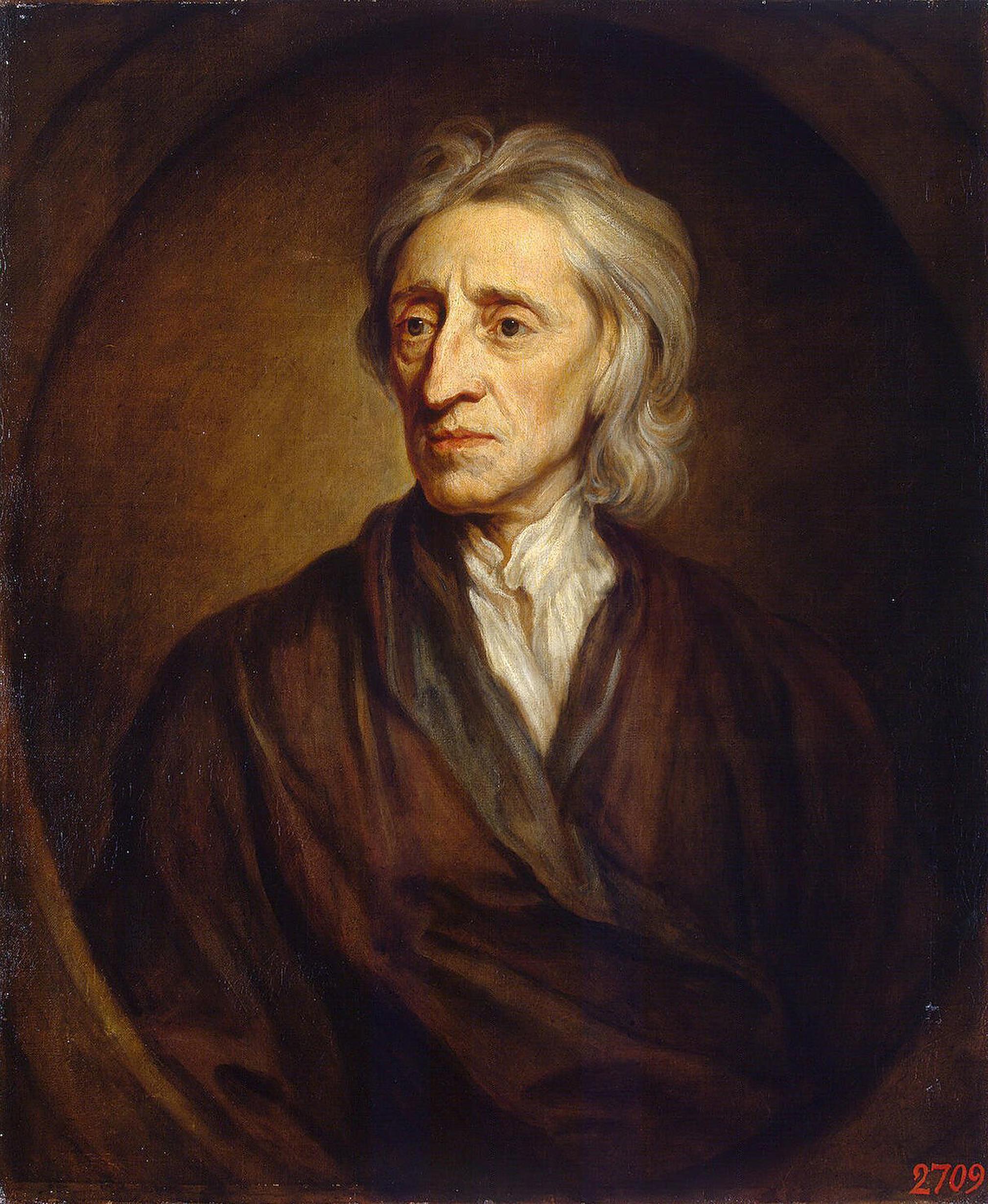
John Locke wrote in his Second Treatise of Government (1690) that lawmakers must govern with "one rule for rich and poor, for the favourite at court, and the country man at plough."
He wrote that a person is in "a much worse condition" when "exposed to the arbitrary power of one man, who has the command of 100,000." Locke meant armed men, but his figure happens to match the size of Secretary Rollins's workforce. His verdict: "Where-ever law ends, tyranny begins."
Paine's crown
Thomas Paine's Common Sense (1776) proposed crowning the charter to show "that in America the law is king." Then the crown would be broken up and scattered among the people "whose right it is."
What comes next
Judge Thompson set the next court conference, by video, for Dec. 17, 2026. The Fifth Circuit's order covers only Texas.
Why libertarians care
Rules that bind the governed but not the governors aren't laws. They're permission slips. As our property rights entry argued, rules must bind governments too.
A cabinet secretary and a House that voted by proxy heard the same answer: you're bound too. Power changes hands. The law keeps the crown.
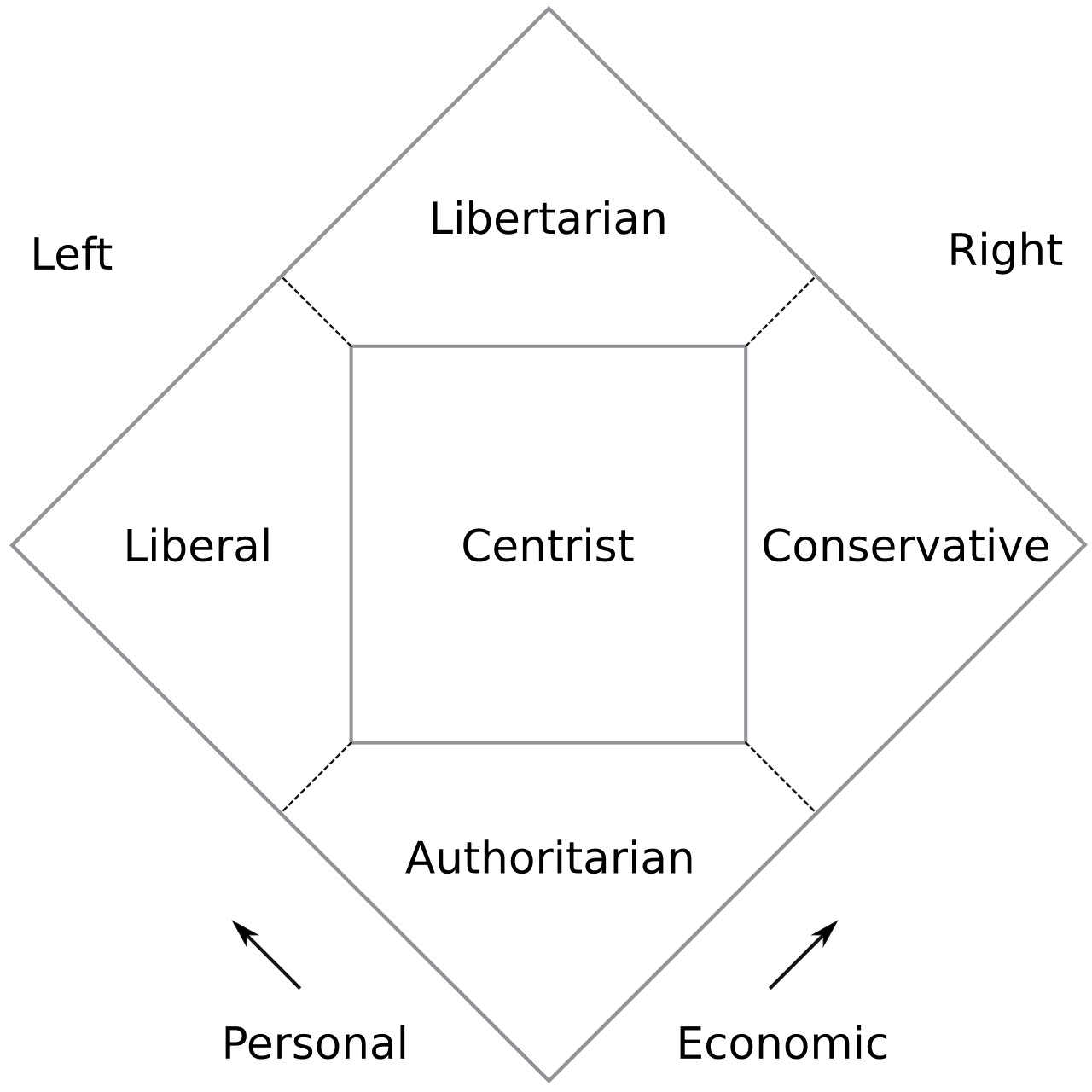
Next in the series: how libertarians differ from left and right.
Sources
- Order Granting Plaintiffs' Motion for Preliminary Injunction, National Federation of Federal Employees v. U.S. Department of Agriculture, No. 26-cv-04406-TLT (N.D. Cal. Nov. 19, 2026), Doc. 59, via CourtListener RECAP
- Texas v. Blanche, No. 24-10386 (5th Cir. Nov. 20, 2026) (en banc), majority and dissenting opinions
- John Locke, Second Treatise of Government (1690), Sects. 137, 142 and 202, Project Gutenberg eBook #7370
- Thomas Paine, Common Sense (1776), Project Gutenberg eBook #147
This article was written by AI from a libertarian perspective and checked against the primary sources linked above. Our standards