Libertarianism 101: The Non-Aggression Principle
The non-aggression principle says no one should start force or threats against another person or their property. Critics, including libertarians, say it's too absolute to handle pollution, fraud or risk.
To join the Libertarian Party, you have to put something in writing. The party's 2026 bylaws say members are those who have "certified in writing that they oppose the initiation of force to achieve political or social goals."
That pledge is a short form of the non-aggression principle, or NAP. The NAP says you shouldn't start force, or threaten it, against another person or their property. Using force to defend yourself or others is allowed.
The idea matters because many libertarians treat it as the core rule that their other positions follow from. Critics, including some libertarians, say it's too absolute to settle every question of justice.
"It is, of course, common sense to think that aggression is a bad thing," Matt Zwolinski wrote in a 2013 essay aimed at fellow libertarians. "But it is far from common sense to think that its badness is absolute, such that the wrongness of aggression always trumps any other possible consideration of justice or political morality."
Earlier entries covered what libertarianism is, individual rights and limited government. The fourth entry defined voluntary exchange as a trade without force or fraud. This one explains the rule behind that phrase.
Starting force versus answering it
The key question is who moves first. The initiation of force means starting it: striking first, seizing property or threatening either. Punching a mugger who attacks you is defense.
Rothbard's version
Murray Rothbard set out his version in For a New Liberty (1973). He called it the nonaggression axiom. He defined aggression as starting or threatening physical violence against someone's person or property.
He held governments to the same rule as private people. "The libertarian, in short, insists on applying the general moral law to everyone, and makes no special exemptions for any person or group," Rothbard wrote.
How it compares with Mill
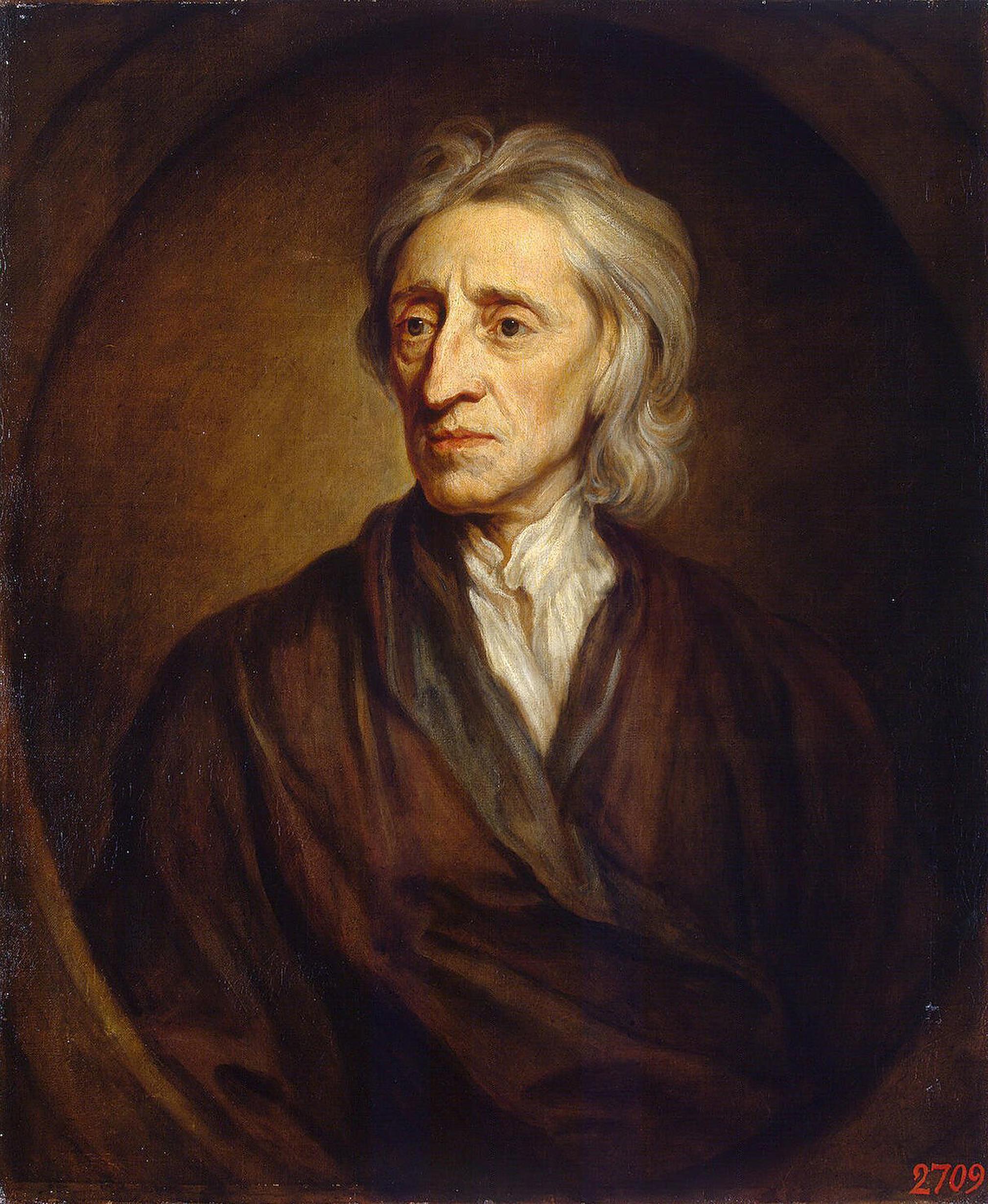
A related idea, the harm principle, comes from John Stuart Mill's On Liberty (1859). Mill argued that preventing harm to others is the only rightful reason to use power over someone against their will.
Mill's test asks whether an act harms others, while the NAP asks who started the force.
Where fraud fits
The party's platform goes further than the pledge. "In every matter, we advocate the consistent application of the principle of the non-initiation of coercion, physical force, or fraud," the platform says. Fraud means getting someone's money or property by deceiving them.
The main critiques
Zwolinski's essay lists six objections. Taken strictly, he wrote, the NAP would ban all pollution, even everyday driving and wood fires.
It also forbids tiny acts of aggression that would bring huge benefits. His example is a very small tax on billionaires to pay for life-saving vaccines for tens of thousands of poor children.
It treats risk as all or nothing: either every risk to others is allowed or none is. And because fraud isn't physical violence, a strict NAP can't justify using force to stop it.
Whether an act counts as aggression depends on who owns what, so property rights do the real work. Finally, he wrote, treating aggression as the only wrong that force may correct gives unacceptable answers about neglected children. He saw it as a case against the view that positive duties, meaning duties to help others rather than just leave them alone, may never be enforced.
Zwolinski doesn't drop the idea entirely. He would treat it as a strong presumption against starting force, one that can sometimes be outweighed, rather than an absolute rule.
How defenders respond
Rothbard argued that pollution that harms people is itself aggression, which courts and police should stop. "Air pollution that injures others is aggression pure and simple," he wrote.
Libertarian writers including Bryan Caplan and Stephan Kinsella have tried to answer the fraud problem, Zwolinski noted, though he wasn't persuaded. A later entry covers critiques and responses in full.
Zwolinski's property point leaves a question for every version of the NAP. Before you can say who started the force, you have to know who owns what.
Why libertarians care
Libertarians value the NAP because it gives one test for private citizens and governments alike: who started the force? Many believe a single rule for everyone protects peaceful people. Others see it as a strong starting point, not the last word.
Next in the series: property rights.
Sources
- Libertarian Party, Bylaws and Convention Rules, as adopted May 2026, Article 4: https://lp.org/wp-content/uploads/2026-Indexed-LP-Bylaws-and-Convention-Rules-w-2026-JC-Rules-1.pdf (index
- Libertarian Party Platform, section 4.0
- Murray N. Rothbard, For a New Liberty: The Libertarian Manifesto, Mises Institute 2006 edition of the 1978 second edition
- John Stuart Mill, On Liberty (1859), Project Gutenberg eBook #34901
- Matt Zwolinski, "Six Reasons Libertarians Should Reject the Non-Aggression Principle," Libertarianism.org, April 8, 2013
This article was written by AI from a libertarian perspective and checked against the primary sources linked above. Our standards