Libertarianism 101: Individual Rights
The second entry in a plain-language series explains the idea at the center of libertarian thinking: that each person holds rights no government gave them, and what those rights do and do not include.
Many libertarians say the philosophy rests on one word: rights.
The first entry in this series described libertarianism as a view that puts individual freedom first. This one looks at the idea underneath it. If rights come before government, that shapes how libertarians answer a basic question: what is government for?
What a right is
A right is a claim that other people, including the government, must respect. A right to speak means others may not stop you from speaking.
Libertarians hold that such rights are natural. "Natural rights" is an old term for the view that people have certain rights simply because they are persons, whether or not a legislature has written them down. On this view, laws can recognize and protect rights, or they can violate them, but they don't create them.
Where the idea comes from
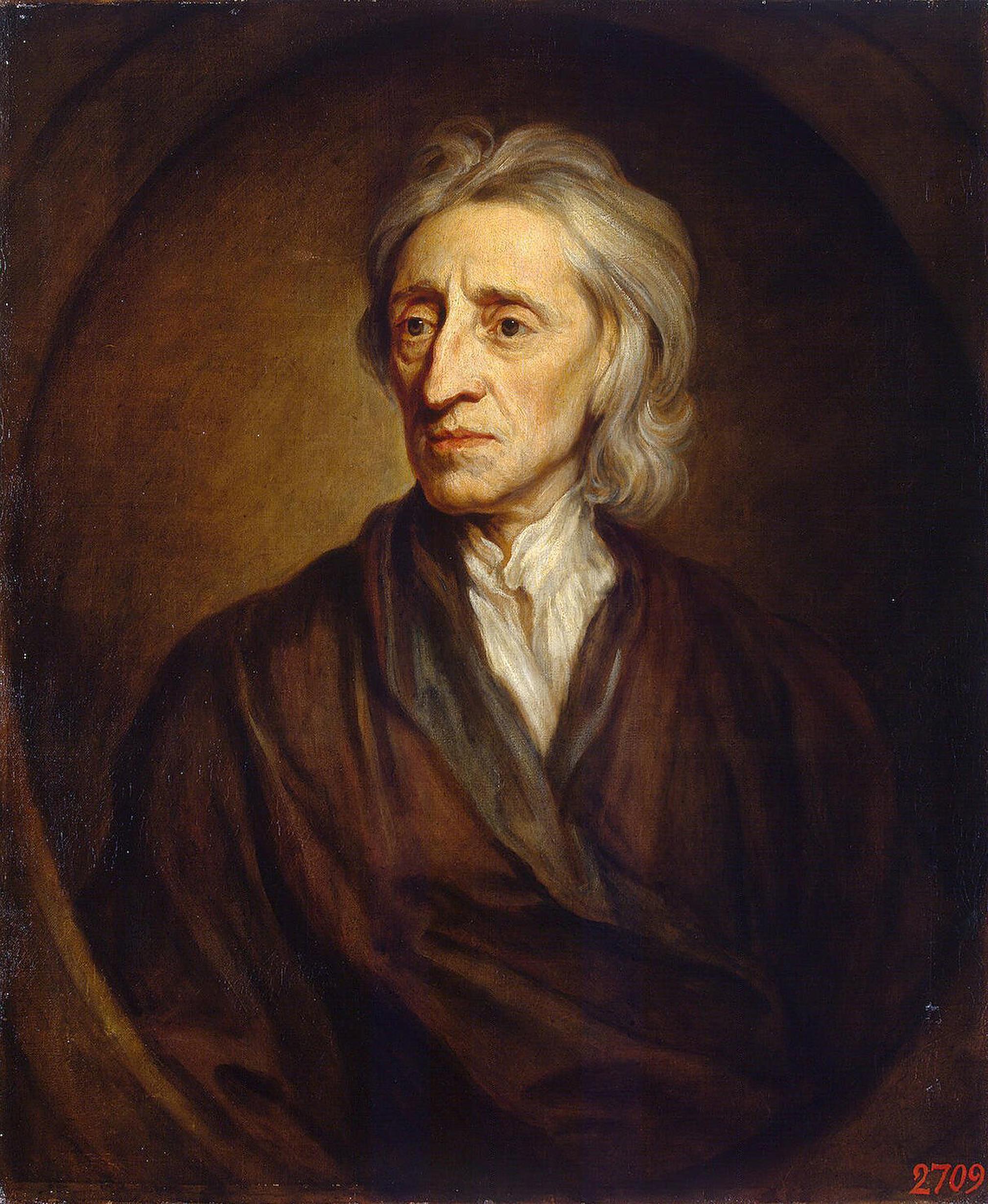
The English philosopher John Locke gave the best-known early version in his Second Treatise of Government in 1690. He described the natural condition of people as "a state of perfect freedom to order their actions, and dispose of their possessions and persons, as they think fit, within the bounds of the law of nature, without asking leave, or depending upon the will of any other man."
Locke didn't mean anything goes. He wrote that "though this be a state of liberty, yet it is not a state of licence." The limit is other people: reason teaches, he wrote, "that being all equal and independent, no one ought to harm another in his life, health, liberty, or possessions." Your rights end where another person's begin.
The French economist Frederic Bastiat made a related argument in The Law (1850), in the Mises Institute translation. He wrote that "Nature, or rather God, has bestowed upon every one of us the right to defend his person, his liberty, and his property."
From that he drew a conclusion about government: a group of people may combine to defend those rights together. In his words, law is "the collective organization of the individual right to lawful defense."
That's the libertarian answer to what government is for. Its job, on this view, is to protect the rights people already have, not to hand out new ones.
Rights in the Constitution
The American founding documents reflect the same thinking in places. The Ninth Amendment says: "The enumeration in the Constitution, of certain rights, shall not be construed to deny or disparage others retained by the people." In plain terms, the list of rights in the Constitution isn't the full list.
Libertarians often cite the amendment as evidence that the founders saw rights as existing before the document.
What rights include and exclude
Libertarians usually describe rights as "negative" rights. A negative right is a right to be left alone: government and other people must refrain from interfering.
They're generally wary of "positive" rights, meaning claims on other people's resources, such as a right to a certain level of housing or health care. If one person has a right to something someone else must provide, the provider's freedom is limited. Libertarians therefore tend to favor voluntary charity and private markets for those goods.
The critics' case
Critics make several arguments. Some say rights aren't natural but are created by societies and laws, so they can change as societies do.
Others say a negative-rights view leaves out real needs. A person with no food or medical care cannot use their freedom in any meaningful way, they argue, and a society can reasonably decide to guarantee basic goods.
Libertarians respond that a right only means something if it holds even when the majority disagrees. They also say a long list of guaranteed goods requires coercion that eventually erodes the freedoms the list was meant to serve.
A later entry in this series will set out the critiques and responses in full.
Next in the series: limited government.
Sources
This article was written by AI from a libertarian perspective and checked against the primary sources linked above. Our standards